






From SuperGap to Now: The History of Old Navy Stores

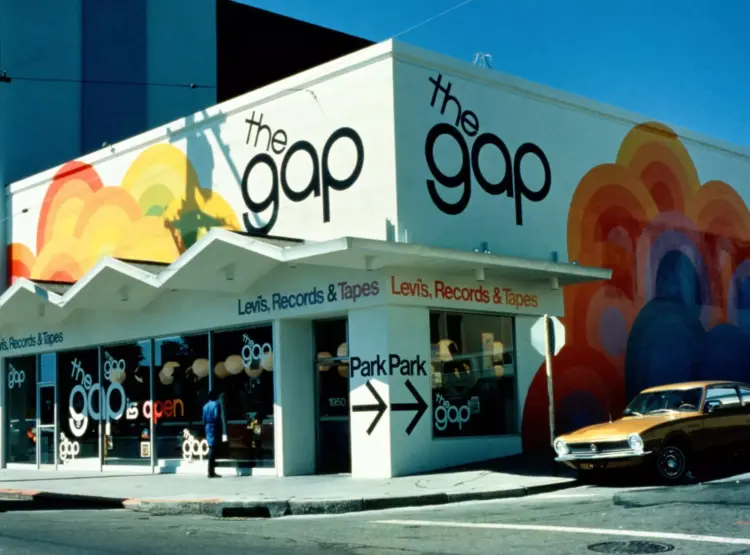
SuperGap was the pioneer outlet store – a cheaper version of the famous Gap brand, it sold lower-priced versions of their wardrobe staples and irregular and damaged pieces from the classic Gap stores.
The History of Old Navy Stores: From SuperGap to Now
Growing up middle-class in Prince George's County Maryland, our first stop for back to school shopping was at the nearby SuperGap in Greenway Shopping Center, getting “name brand” clothing for a reasonable price. If it weren’t for SuperGap, my 6th grade and on wardrobe would consist of poorly-thought-out fashions from Bradlees’ located just a mile down Greenbelt Road.
As soon as I turned 16, I turned in an employment application there, in hopes to get a job there and a discount on high school must-haves – jeans, hoodies, rugby shirts and ragg socks. I was never called for an interview but my friend Wendy did get a job there.
From SuperGap to Gap Warehouse
SuperGap eventually changed to Gap Warehouse and carried less factory-store items and more irregulars and returns from the traditional Gap locations in the fancier malls. Hours were spent after school, pouring through rounders and racks for jeans and sweatshirts that fit and didn’t have obvious garment flaws.
Denim Supply Company
A few years later (1993, the same year I graduated from high school), SuperGap shut down, but opened up at the end of the same strip mall, with the new name – Denim Supply Company, a brand name under the new Gap Warehouse subsidiary of Gap.
From Gap Warehouse to Old Navy
Wendy was still with the company and I was able to get the lowdown on the change. Supposedly Gap was doing an experiment in a select few markets – this lower-end Gap that had their own brand, own label, own line of clothing. Not a Factory Store, a separate entity added to the Gap brand.
From a 1993 article in the New York Times:
In an internal memo, the company said the “Gap Warehouse collection was created specifically to improve the productivity of 48 of our current Gap stores ‘which have been an undervalued asset in our company,' says Mickey Drexler, president of Gap Inc.”
Analysts said the new merchandising strategy was a good way for Gap to compete with other purveyors of basic merchandise without eroding the image of its Gap brand.
For more than a year, Gap stores have marked down prices of their basic merchandise to compete with the department stores and discounters that have begun selling their own versions of Gap staples: T-shirts and blue jeans.
[The Gap is] confronted with the question of whether they're doing basics or whether they're doing fashion,” said Heidi R. Steinberg, a retail analyst at Lehman Brothers. “If they stick with basics at Gap, then they're competing with Wal-Mart and Target, where you can buy Fruit of the Loom all-cotton T-shirts for half the price they are at the Gap.”
“Gap Warehouse clothing will be priced lower than Gap brand clothes because the company is using manufacturing techniques and fabrics that are less expensive. Athletic Department sweats, for example, are 59 percent polyester and 41 percent cotton, while Gap sweats are 100 percent cotton. T-shirts are double-stitched instead of triple-stitched, and there is less detail over all, analysts said.
The company, based in San Francisco, said the new line was not likely to cannibalize the sales of Gap brand clothing because it would appeal to a different type of customer. Robert F. Buchanan, a retail analyst for Alex. Brown & Sons, said mass merchants like Wal-Mart and Kmart were gaining a bigger share of the market for basic clothes, and their customers were different from those who have shopped at the Gap.
“The Gap already has two types of customers: those who shop its store at full price, and those who are looking for sale items,” he said. “There's a third customer who hasn't shopped there, and that's where a lot of the basics business is going.”
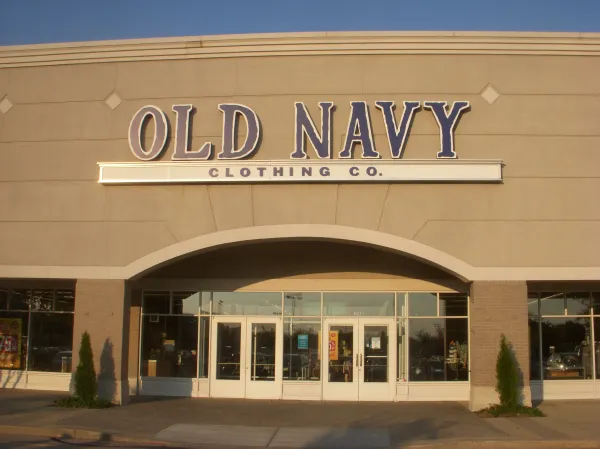
This experiment worked, because in 1994, Gap opened the first Old Navy in Colma, California. Soon, our local Gap Warehouse closed and a few months later, in a larger space in the same strip mall, opened a huge Old Navy, as large as the Safeway grocery store.
From a 1994 New York Times article on Old Navy:
“In some respects, the store here resembles just another no-frills, high-volume, large-inventory retailer, with its vast expanse of concrete floor and a ceiling padded with exposed insulation and laced with ducts. Customers wheel around shopping carts and pay for purchases at supermarket-style checkout counters. And Old Navy's prices mimic a discounter's; about 80 percent of the merchandise goes for $22 or less.
But to look at the clothing, the way it is displayed and the fixtures in the store is to be reminded of the elan and quality of a retailer with pricier goods, whether Gap Inc.'s own Gap and Banana Republic stores, A/X Armani Exchange or a Ralph Lauren/Polo or Tommy Hilfiger section in a department store. Unlike much apparel in this price range, the clothes are distinctive, made from higher-quality fabrics like linen-and-cotton blends and with an attention to detail like embroidery.“

Old Navy fit the feeling of the time – the grunge era, where it was cool to not spend money on clothing; where fashion came from thrift stores and not from higher-priced specialty and department stores.
Where Old Navy Got Its Name
Named after a bar the Gap CEO visited in Paris; Old Navy Clothing Co. was the new member of the Gap company (though the original name was going to be Elevator, Monorail or Forklift, to evoke the industrial bare-bones concept of the store). Unlike lower-priced peers like Sears and Kmart, Old Navy combined cost-affordable apparel with great ambiance – loud popular music, quirky ad campaigns and colorful store décor within a warehouse-inspired core.
The Target Old Navy Customer
Old Navys were put in lower-rent strip malls (like my nearby Greenway Center) instead of higher-cost malls to help keep prices low and target the appropriate customer – the customer who also shops Wal-Mart, Kmart and Toys R Us.

They also did it by taking the staples of Father Gap, but recreated them with cheaper materials, stitching and fabrication (a CNN Money article from 1996 quotes an Old Navy customer as noting that denim shirts from Old Navy are only washed once before selling, versus Gap shirts being washed three times. This difference ensured consistent color in Gap shirts, but a far lower cost to create the Old Navy version).
Old Navy Today
Years later, we forget when Gap Warehouse ended and Old Navy began. Old Navy, like Target and Starbucks has become a standard in the culture, language and lifestyle of Americans.

What was a random experiment by The Gap in attempt to revive slumping sales has become a necessity in the wardrobe of all income levels and ages of our society. I mean, who these days doesn’t own at least a tee shirt or pair of lounge pants from Old Navy?

Did you like what you just read?
Consider tapping here to buy me a coffee in thanks. The best gift you can give a content creator is the gift of sharing. Consider sharing this article on Facebook, Threads, or saving on Pinterest. Thank you so much for your support!
Want more posts like this? Add Wardrobe Oxygen as a Google Preferred Source.






Have you seen Landis’ blog? He’s the creative director at Old Navy…
http://thetwodogblog.blogspot.com/
I missed the Old Navy tranisition. All of a sudden it was just THERE and the odd commercials were on TV.
I buy things (mostly jeans) there for my husband on a regular basis, but seldom find anything for myself. I find plenty of cute things – but the smaller sizes are ALWAYS GONE when I get there. I’ve had better luck on line.
I shopped at that same Greenway Gap Outlet in college, and I remember wondering aloud with my friends about the mysterious “Old Navy” tags that were starting to pop up on the clothing racks. Now I occasionally pick up things in Old Navy for me, my husband and our two-year old. I haven’t bothered walking into a Gap in years (for many reasons aside from price), and Banana is starting to lose its appeal, too.
Thanks for the history lesson…it was a trip down memory lane for me, too.
What a fantastic post! It’s like a trip down memory lane…